Ethylene Glycol
Ethylene Glycol: Technical Overview for Industrial Applications
Ethylene glycol (monoethylene glycol, ethanediol) is the simplest dihydric alcohol, produced by hydration of ethylene oxide. In industrial practice, ethylene glycol occupies a central position as feedstock for large-scale polyethylene terephthalate production, antifreeze fluids, and industrial heat transfer media. Its primary function is to provide the feedstock base for polyester fibers and resins and to lower the freezing point of aqueous solutions while ensuring stable heat removal in cooling systems.
Chemical Identification
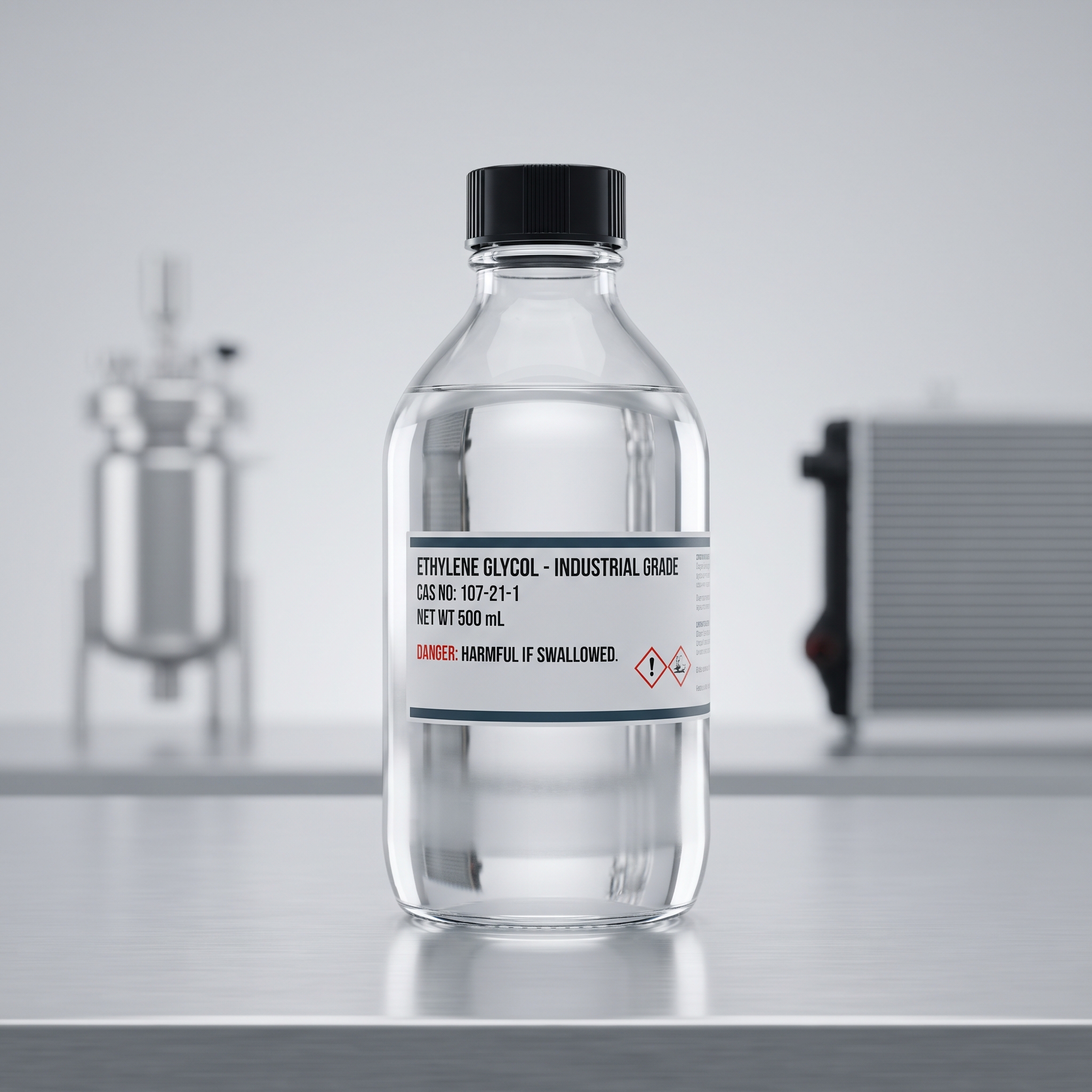
Ethylene glycol is identified by CAS 107-21-1, empirical formula C2H6O2, structural formula HOCH2CH2OH, relative molecular mass 62.07. In international trade, it is classified under HS heading 2905 31 000 0 as ethylene glycol (ethanediol). Synonyms include monoethylene glycol, ethanediol, 1,2-ethanediol, and glycol. The substance is assigned to hazard class 3 for health effects as a moderately hazardous substance.
Physicochemical Properties
Ethylene glycol is a colorless transparent oily liquid with no odor. Density at 20 degrees Celsius is 1.113 g/cm3. Boiling point is 197.6 degrees Celsius, pour point minus 13 degrees Celsius, flash point 111 degrees Celsius, autoignition temperature 412 degrees Celsius. Refractive index at 20 degrees Celsius is 1.430-1.432. Ethylene glycol is miscible with water, alcohols, aldehydes, and many organic compounds; it does not dissolve rubber, cellulose acetate, or heavy vegetable and petroleum oils. It has low volatility and high hygroscopicity.
Technical Grades and Supply Forms
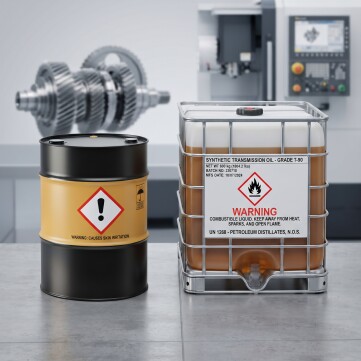
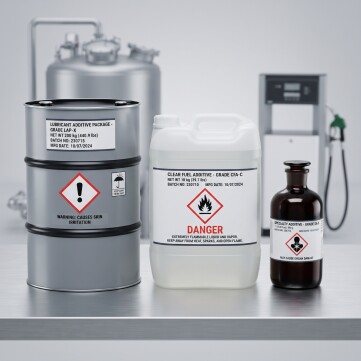
Ethylene glycol is produced under GOST 19710-2019. The standard provides for first grade with a main substance mass fraction of at least 98.5 percent and highest grade with at least 99.8 percent. The product is supplied in bulk in rail and road tank cars, tank containers, and aluminum or steel drums with a capacity of 100 to 275 dm3. Typical bulk shipments start from one tonne.
Regulatory Framework
In the EAEU region, quality is governed by GOST 19710-2019 Ethylene Glycol. Specifications. The standard sets requirements for physicochemical indicators, packaging, marking, transportation, and storage. Transport marking is performed under GOST 14192 with the handling sign Hermetic Packaging; precautionary marking follows GOST 31340. For customs purposes, the explanatory notes to HS heading 2905 31 000 0 apply.
Mechanism of Action and Functional Role
In chemical synthesis, ethylene glycol serves as a monomer for polycondensation with terephthalic acid to form polyethylene terephthalate. The two hydroxyl groups enable the formation of ester bonds that build the linear polymer chain. As a component of antifreeze fluids and heat transfer media, ethylene glycol lowers the crystallization temperature of water by disrupting the ice crystal lattice and raises the boiling point of the solution, ensuring stable heat removal over a wide temperature range. As a solvent, ethylene glycol dissolves polar organic compounds and is used in coating materials.
Applications by Industry
The main volume of ethylene glycol is consumed in the production of polyethylene terephthalate for polyester fibers, films, and packaging resins, including bottle-grade PET. In the automotive industry and power generation, ethylene glycol is the base for antifreeze fluids, brake and hydraulic fluids, and intermediate heat transfer media in heating and air conditioning systems. In the coatings industry, ethylene glycol is used as a solvent and component of formulations. In the oil and gas sector, it is used as a component of drilling fluids and dehydrating agents. In pharmaceuticals and cosmetics, it serves as a base and solvent.
Comparison with Alternative Materials
Compared with propylene glycol, ethylene glycol offers better thermophysical characteristics at low temperatures and lower cost but is more toxic when ingested. In PET production, ethylene glycol remains the primary monomer, and its replacement with other diols requires revision of the entire technological chain and final polymer properties. Compared with diethylene glycol and triethylene glycol, monoethylene glycol has lower viscosity and higher reactivity in polycondensation.
Typical Processing Errors
- Using ethylene glycol without considering its toxicity when ingested, requiring strict labeling control and exclusion of contact with food products.
- Applying contaminated ethylene glycol or product with elevated diethylene glycol content in PET synthesis, reducing polymer quality and optical properties.
- Storing in non-sealed containers, leading to moisture absorption from air and concentration changes.
- Mixing ethylene glycol with oxidizers or acids without control, which may cause an exothermic reaction.
- Neglecting color and UV transmittance control in supplies for optical and polymer applications.
- Violating storage temperature conditions above plus 40 degrees Celsius near ignition sources.
Quality Control and Laboratory Methods
Incoming inspection of ethylene glycol includes determination of appearance and color on the Hazen scale, density at 20 degrees Celsius, refractive index, main substance content by gas chromatography, water content by the Karl Fischer method, diethylene glycol content, color after boiling with hydrochloric acid, and UV transmittance at wavelengths of 220, 275, and 350 nm. For critical applications in PET synthesis, iron content and residue after ignition are controlled.
Storage and Transportation Conditions
Ethylene glycol is stored in sealed containers at temperatures up to plus 40 degrees Celsius, away from ignition sources. The guaranteed shelf life is typically at least 12 months from the date of manufacture under hermetic conditions. Under GOST 19710-2019, ethylene glycol is not subject to dangerous goods transport regulations and is classified as non-dangerous goods, simplifying logistics. Transportation is carried out by all modes of transport in accordance with cargo transport rules applicable to the respective mode.
Finding Analogues and Interchangeability
When selecting an analogue for ethylene glycol, the key criteria are main substance content, diethylene glycol and water content, color, and UV transmittance. For PET synthesis, replacing ethylene glycol with propylene glycol or other diols alters polymer properties and requires process revision. For antifreeze fluids and heat transfer media, propylene glycol may be considered a less toxic alternative, but this requires concentration adjustment and compatibility testing with system materials. Direct substitution without preliminary testing is not recommended.
Supply Scheme
For industrial buyers, ethylene glycol is available worldwide through the apptrade.ru platform. Shipments can be organized from producing regions across different continents, with logistics and customs support adapted to the destination market. International sourcing allows buyers to balance cost and lead time depending on batch size and logistical distance.
Logistics and Customs Clearance
Ethylene glycol is transported by sea, rail, and road. For large batches, sea tank containers or dedicated tankers are economically viable; for medium and small volumes, drums and intermediate bulk containers are used. When imported into the EAEU, products are classified under HS heading 2905 31 000 0. The portal customs broker prepares declarations, confirms classification codes, and manages non-tariff regulation procedures where applicable to a specific shipment.
FAQ
What is the difference between ethylene glycol and propylene glycol?
Ethylene glycol (C2H6O2) has a lower molecular mass and provides better thermophysical characteristics at low temperatures but is more toxic when ingested. Propylene glycol (C3H8O2) is less toxic and is more often used in systems where contact with food products is possible, but it is inferior to ethylene glycol in low-temperature efficiency.
Can ethylene glycol be used as a heat transfer fluid?
Yes, ethylene glycol is widely used as a base for heat transfer fluids and antifreezes due to its ability to lower the freezing point of water and raise the boiling point of the solution. However, its toxicity must be considered and system hermeticity ensured during use.
What hazard class is assigned to ethylene glycol?
Ethylene glycol is hazard class 3 for health effects as a moderately hazardous substance. For transport under GOST 19710-2019, it is not classified as dangerous goods.
How long can ethylene glycol be stored?
The guaranteed shelf life of ethylene glycol is typically at least 12 months from the date of manufacture under hermetic packaging and temperatures up to plus 40 degrees Celsius. After expiry, the product must undergo laboratory testing before use.
Is special packaging required for ethylene glycol transportation?
Hermetic packaging is used for ethylene glycol: tank cars, tank containers, and aluminum or steel drums. Special dangerous goods packaging requirements do not apply because ethylene glycol is classified as non-dangerous goods.
What is the difference between first and highest grade ethylene glycol?
Highest grade contains at least 99.8 percent main substance; first grade contains at least 98.5 percent. Highest grade also has stricter limits for diethylene glycol, water, and color, which is important for optical and polymer applications.
Conclusion
Ethylene glycol remains a foundational petrochemical product and key feedstock for PET, antifreeze fluids, and heat transfer media. For industrial buyers, critical factors include batch-to-batch consistency, especially diethylene glycol content and UV transmittance, correct customs classification, and compliance with storage conditions. The apptrade.ru portal organizes the full supply cycle, from grade selection for a specific process to customs clearance and delivery to the manufacturing site.
Contact Us
For procurement inquiries, technical documentation, and logistics coordination, contact the apptrade.ru team at info@apptrade.ru.